Introduction
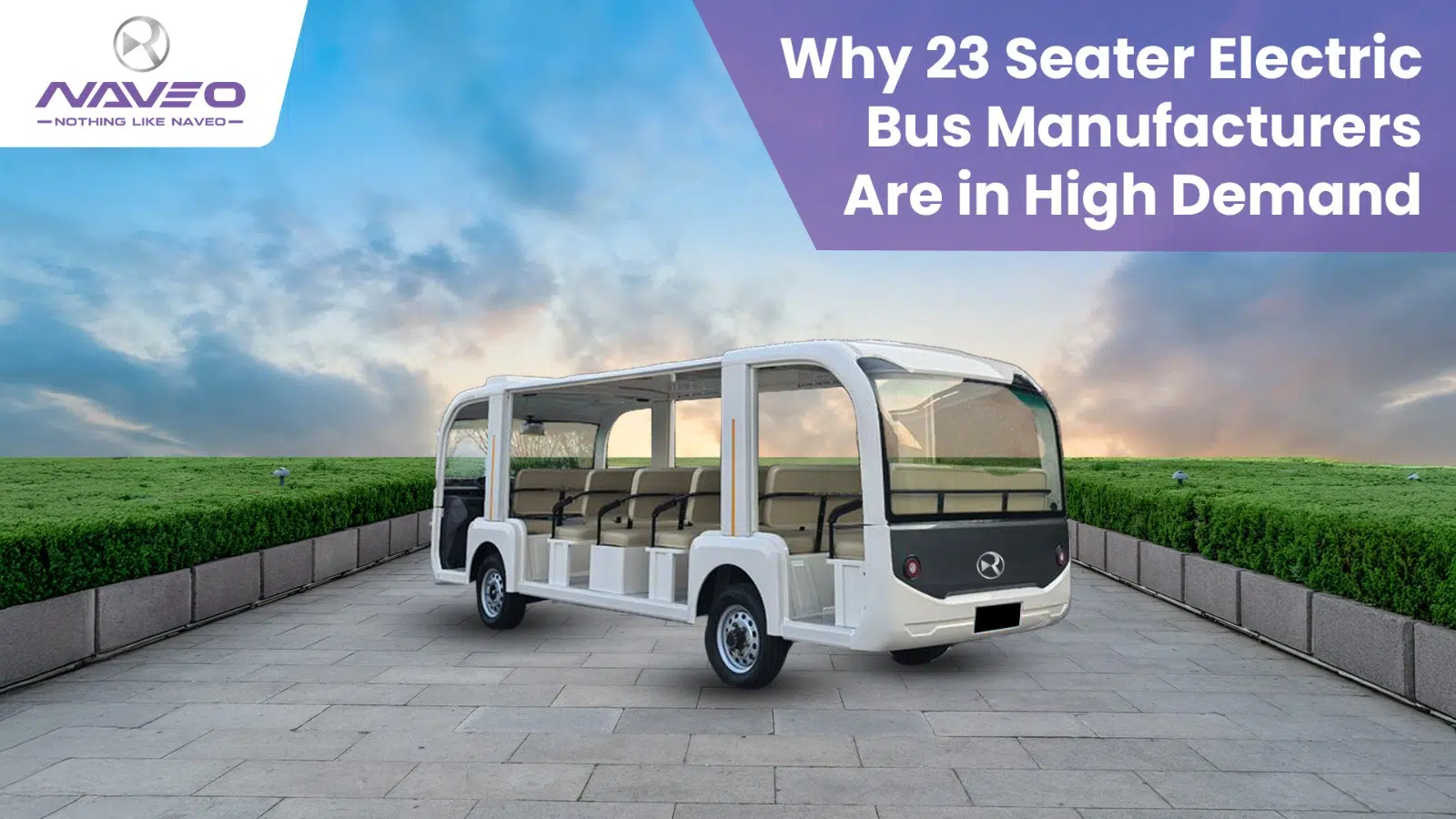
In recent years, the global push toward clean mobility has shifted attention to smaller‑capacity electric transit options. Among these, the role of 23 seater electric bus manufacturers has grown notably. These companies are positioned to supply a vehicle type that bridges the gap between full‑size coaches and small shuttles. With rising demand for efficient, flexible electric transport, the 23 seater electric bus and the concept of the battery operated electric bus have become important. This article takes a look at why this niche is hot, what benefits it offers and how manufacturers fit into the emerging landscape.
Why 23 Seater Electric Buses Are Gaining Popularity
Several forces are pushing demand for mid‑sized electric buses. Many organisations—resorts, campuses, airports – need vehicles that are smaller than full‑size buses but larger than vans. That’s where the 23 seater electric bus finds its sweet spot.
When you consider cost efficiencies, the battery operated 23 seater electric bus becomes compelling: no fuel and lower maintenance costs plus the ability to operate in zones where emissions are regulated or restricted.
Benefits of 23 Seater Electric Buses Over Traditional Options
Choosing a 23 seater electric bus instead of a diesel or CNG counterpart brings multiple advantages. Emissions drop significantly, helping organisations meet sustainability goals. Operating costs come down: fewer moving parts, no fuel in the traditional sense and simpler power‑train maintenance. For manufacturers, that means building a vehicle with long‑term appeal.
From an operational standpoint, a battery operated 23 seater bus offers strong flexibility: it can serve shorter routes, shuttle services, campus transport or resort transfers. Manufacturers of such buses are seeing orders from private customers as well as municipal fleets.
Because the vehicles are smaller, infrastructure and charging requirements can be easier to manage. For example, a 23‑seater electric shuttle bus may require less space and fewer adjustments than a full‑size bus. That makes the task for 23 seater electric bus manufacturers more manageable and the market more accessible.
Battery Operated 23 Seater Buses: What Makes Them a Smart Investment?
When you drill down into the specifics, a battery operated 23 seater bus offers strong value.
- Return on investment: Lower total cost of ownership (TCO) compared to a diesel bus over the lifespan when you factor in fuel, maintenance and downtime.
- Infrastructure friendliness: Charging stations can be scaled for smaller fleets.
- Flexibility: Because the size is moderate, route constraints are fewer and operators can deploy these buses in areas with tighter roads or lower passenger volumes.
- Innovation: Battery tech is advancing – higher energy density, faster charging, longer lifespan – allowing these buses to perform reliably in multi‑trip duty. Manufacturers who build for this segment become more relevant.
For 23 seater electric bus manufacturers, this trend means they can cater to a growing market segment that feels less risky than full‑scale, 40‑seat electric buses and more powerful than micro‑shuttles.

Key Factors Driving Demand for 23 Seater Electric Bus Manufacturers
Here’s a breakdown of what’s driving demand:
- Government support & incentives – Many regions are offering subsidies or tax breaks for EVs, which helps the business case for vehicles from 23 seater electric bus manufacturers.
- Rising fuel and maintenance costs – Diesel price volatility and maintenance‑heavy fleets push operators toward electric alternatives.
- Passenger experience – Electric buses are quieter, smoother and seen as premium, which adds to appeal in campus transport segments.
- Infrastructure readiness – With charging networks growing, the adoption of models like the 23 seater electric bus becomes easier.
- Fleet optimisation – Operators prefer smaller buses for feeder services, shuttle links, campus transport – areas where large buses are under‑utilised. That’s where battery operated 23 seater bus models shine.
Challenges Faced by 23 Seater Electric Bus Manufacturers
No market is without its hurdles. For 23 seater electric bus manufacturers, some of the current challenges include:
- Upfront cost: Electric buses still cost more to manufacture than conventional ones, though TCO is better over time.
- Battery technology & charging: Ensuring sufficient range and fast turnaround is vital.
- Infrastructure gaps: Some regions may lack proper charging infrastructure, making operators cautious.
- Market education: Convincing smaller transport operators to switch from tried‑and‑tested diesel models requires trust and proof of reliability.
Despite these, manufacturers who design smart, tailored vehicles for the 23‑seat niche are seeing strong interest, particularly from resort‑shuttle, campus and airport sectors.
Conclusion
The emergence of the 23 seater electric bus is not merely a niche trend but rather – a response to changing transportation needs. Makers of 23 seater electric buses are determined by the sustainability target, cost, and pressure, operational flexibility, and electric mobility increase. In time, the technology will improve and also the infrastructure, thus the manufacturers will be the ones who will change the in-campus transport from dirty to clean and from old to smart. For anyone looking to serve moderate‑capacity routes, a Roots EV battery operated 23 seater bus offers a compelling alternative to traditional diesel models. The future of this segment looks bright.
Frequently Asked Questions (FAQ)
Q1: What are the main advantages of 23 seater electric buses over traditional buses?
They deliver lower emissions, reduced operating cost (fuel + maintenance), quieter operation and can serve routes or segments where large buses are over‑capacity.
Q2: Are battery operated 23 seater buses cost‑effective in the long run?
Yes — although upfront cost is higher, lower energy and maintenance costs result in better total cost of ownership over the vehicle’s life.
Q3: What are the environmental benefits of switching to electric buses?
Eliminates tailpipe emissions, helps reduce urban air pollution, contributes to greenhouse‑gas reduction targets and reduces noise.
Q4: How long do the batteries last in a 23 seater electric bus?
It varies by manufacturer and usage, but many current models use lithium‑ion batteries with lifespans of 6‑10 years or more with proper maintenance and usage patterns.
Q5: Why are 23 seater electric bus manufacturers in high demand?
Because they cater to a growing niche: moderate‑capacity transport needs, cleaner mobility, shrinking operating budgets, and rising regulatory pressure for sustainable transport.
Q6: Are there government incentives for electric bus manufacturers or operators?
Yes — in many regions governments offer subsidies, tax rebates or procurement preferences for electric buses, which supports manufacturers and operators alike.