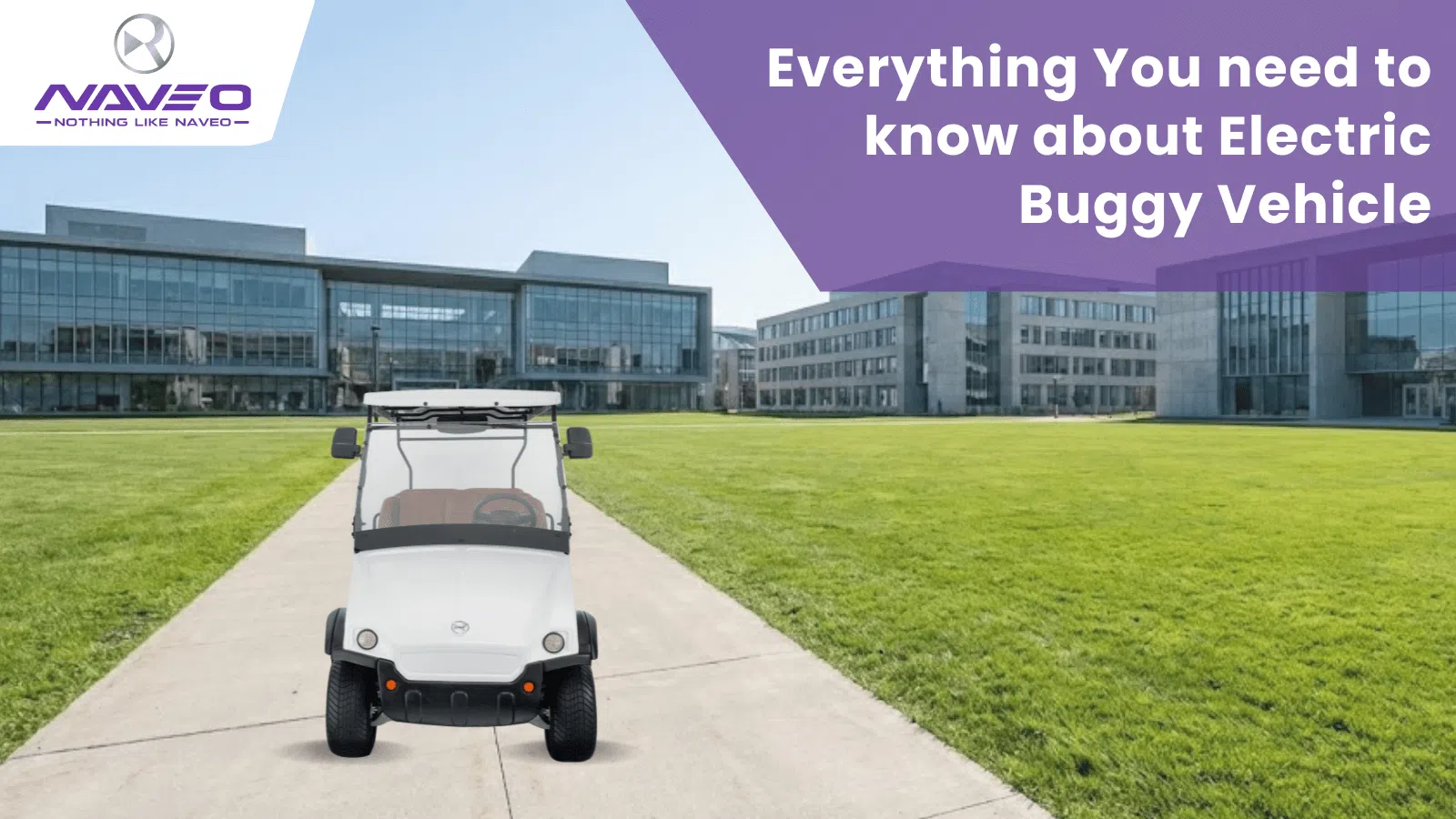
“Electric buggies redefine mobility with smart, quiet, eco-friendly efficiency.”
Modern campuses, from universities and IT parks to resorts and hospitals, now demand quiet, eco-friendly, and cost-efficient mobility solutions. Electric Buggy Vehicles meet this need with smooth, safe, and versatile in-campus transport. Whether moving students, guests, or staff, they outperform fuel carts in efficiency.
This blog explains their types, features, common buying errors, and practical uses to help you choose wisely.
What Is an Electric Buggy Vehicle?
An electric buggy is a compact, battery-powered mobility vehicle designed for short-distance travel within controlled environments. Unlike fuel vehicles, it operates with almost zero sound, emits no pollutants, and delivers a smooth ride even on uneven terrain. Most campuses prefer them because they are easy to drive, require low maintenance, and offer great value over time.
Roots EV, a leading electric buggy manufacturer in India, builds multiple models suited for passenger, cargo, and multipurpose use, making them adaptable for all types of facility environments.

Types of Roots EV’s Electric Buggies for Campuses
Electric buggies are available in multiple categories, each built to address different mobility needs across diverse environments. Below are the primary types most commonly used in campuses, institutions, and large facility spaces.
1. Passenger Electric Buggies
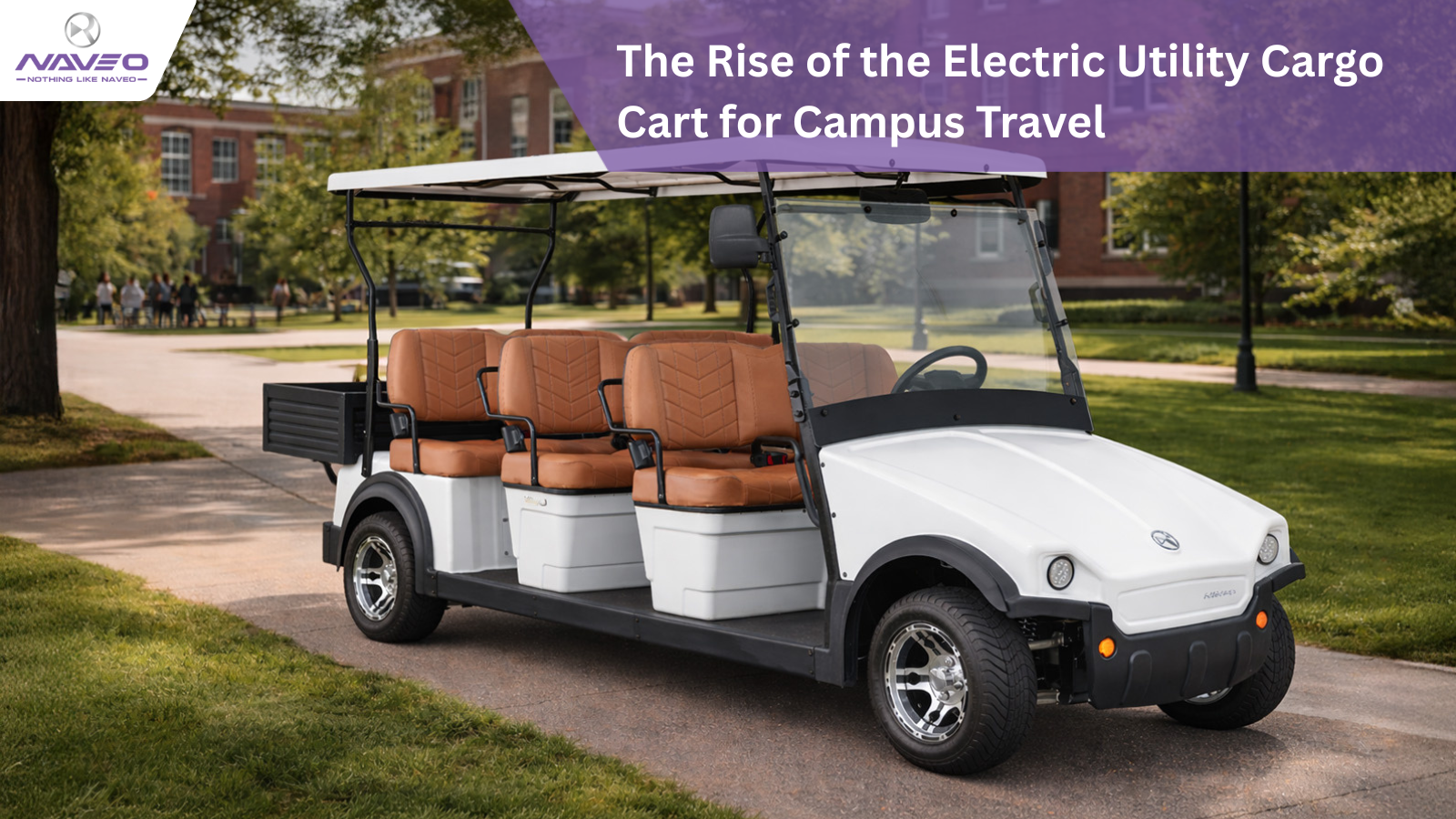
Ideal for universities, resorts, corporate campuses, and public attractions. These typically come in 4, 6, 8, or 11-seat models and deliver comfortable mobility for groups.
2. Passenger + Cargo Buggies
Perfect for facility teams that need to transport both people and materials. These hybrid models combine seating rows with a rear cargo area.
3. Pure Cargo Buggies
These are designed specifically for logistics movement inside factories, manufacturing plants, and large warehouses. They can carry tools, equipment, or medium-load goods across long pathways.
4. Special Purpose Models
These models include hospital transport buggies, food & beverage carriers, or customizable vehicle bodies for housekeeping and utility services.
5. Golf Cart Electric Buggies
Typically used in golf ranges and premium resort properties. These offer smoother suspension, superior comfort, and enhanced styling, making them ideal for luxury environments.
Each category is built to serve different terrain conditions, load requirements, and frequency of use. That is why brands like Roots EV design models suitable for even 20–25% slope conditions, as seen in large campuses and hilly landscapes.
Battery, Range, and Motor: What You Must Know
Battery choice is the heart of any Electric Buggy Vehicle. The performance, range, maintenance, and cost depend heavily on which battery configuration you pick.
1. Battery Types
Most electric buggies are powered by:
- Lead-acid batteries: Affordable and widely used; ideal for shorter daily usage
- Lithium-ion batteries: Longer life, lighter weight, lower charging time, and higher overall efficiency
You will also find models categorized as battery buggy, meaning they are optimized for long runtime and frequent usage cycles. Lithium-ion-powered versions perform best for campuses with full-day mobility demands.
2. Range
Range depends on:
- Battery type
- Terrain (slopes, rough paths, tiles)
- Passenger/cargo weight
- Driving pattern
A typical battery buggy offers reliable performance for daily intra-campus transportation.
3. Motor Power
While motor specifications vary by model, a stronger motor ensures:
- Better climbing ability
- Smooth acceleration even when fully loaded
- Consistent performance during long operating hours
Roots EV’s vehicles are designed for stable performance on slopes and long routes, making them reliable for both passenger and utility applications.
Technical Features of Electric Buggies
Many campus buyers worry that campus electric buggies may be too technical or complex to maintain. In reality, the technology is simple, predictable, and easy to manage.
1. Charging Time
Charging usually takes a few hours depending on battery type. Lithium-ion options charge faster and deliver more cycles, making them ideal for continuous operations.
2. Tyres
Electric buggies generally use tubular or tubeless tyres. The right tyre choice improves ride comfort, especially in large campuses where uneven terrain is common.
3. Safety Controls
Most electric buggies are equipped with essential safety and control features:
- Speed control governor
- Regenerative braking
- Rear-view mirrors
- Parking brake
- Headlights & tail lamps
These controls ensure safe and reliable operation of battery buggies in crowded campus environments.
Comparison Table: Passenger vs Cargo Buggies
Choosing the right battery buggy begins with understanding how passenger and cargo models differ in capacity, functionality, and daily campus utility.
| Feature | Passenger Buggy | Passenger + Cargo | Pure Cargo Buggy |
|---|---|---|---|
| Seating Capacity | 4–11 seats | 2–8 seats + cargo area | Driver only |
| Best For |
|
|
|
| Battery Options | Lead-acid / Lithium | Lead-acid / Lithium | Lead-acid / Lithium |
| Purpose | Guest/staff travel | Mixed transport | Material movement |
| Example Use | Student shuttle | Housekeeping + transport | Tools & equipment movement |
This comparison helps you identify which buggy type best suits your campus needs, ensuring smoother operations and long-term value.
Most Common EV Buying Mistakes to Avoid
Buying a campus electric buggy can be tricky, and many buyers overlook essential factors that impact performance, durability, range, and long-term value.
1. Neglecting Terrain Requirements
Campus roads vary—steep slopes, tiled areas, gravel sections. Choosing the wrong electric utility vehicle can reduce performance.
2. Not Considering Seating or Cargo Capacity
Buyers often select a smaller campus electric buggy to save costs but end up overloading it later, affecting vehicle life and efficiency.
3. Choosing Battery Only by Price
Lead-acid batteries may appear cheaper, but lithium-ion versions offer:
- Better range
- Longer lifespan
- Lower long-term cost
- Faster charging
4. Overlooking Service Support
Buying from vendors without proper spare parts or after-sales service can cause long-term issues. Brands like Roots EV offer dedicated support teams for smoother ownership.
Why Choose Roots EV for Campus Mobility?
Roots EV stands out as one of the trusted electric buggy manufacturers in India, offering a wide portfolio of durable, customizable, and high-performance buggies.
- Strong, long-life chassis
- Reliable braking systems
- Multiple seating & utility design options
- India-ready suspension for campus terrain
- Easy service access and spare-part availability
Our models are designed in Coimbatore and tested for daily campus operations, making them ideal for both passenger mobility and cargo operations.
Final Thoughts
If you are planning to streamline transportation inside a campus, resort, or industrial facility, an electric buggy vehicle is one of the smartest, most cost-efficient investments you can make. They reduce carbon footprint, cut operational expenses, and deliver a premium mobility experience that passengers will appreciate.
Ready to transform your mobility system?
Explore Roots EV’s range today and book a test drive to find the perfect buggy for your campus.
Frequently Asked Question
1. What is an Electric Buggy Vehicle?
An Electric Buggy Vehicle is a battery-powered mobility cart designed for quiet, eco-friendly transport inside campuses, resorts, hospitals, and industrial facilities.
2. How long does an electric buggy run on a full charge?
Runtime depends on battery type and usage, but most Golf cart electric buggies offer reliable full-day performance for standard campus operations.
3. Are electric buggies suitable for uneven or sloped terrain?
Yes. Quality models are engineered to handle moderate slopes and mixed terrains commonly found in large campuses and hospitality spaces.
4. What kind of maintenance does an electric buggy require?
Basic battery care, tyre checks, brake inspection, and periodic servicing are usually enough to keep the buggy in optimal condition.
5. Why choose a branded buggy like Roots EV?
Brands like Roots EV offer durable builds, reliable performance, service support, spare availability, and long-term value, making them ideal for continuous daily use.