Modern campuses are no longer small, walkable spaces. Universities, industrial parks and institutional campuses now operate like mini-cities, with continuous movement of materials, equipment and service supplies throughout the day. As fuel prices rise and sustainability expectations grow, electric campus mobility is no longer optional, it is essential.
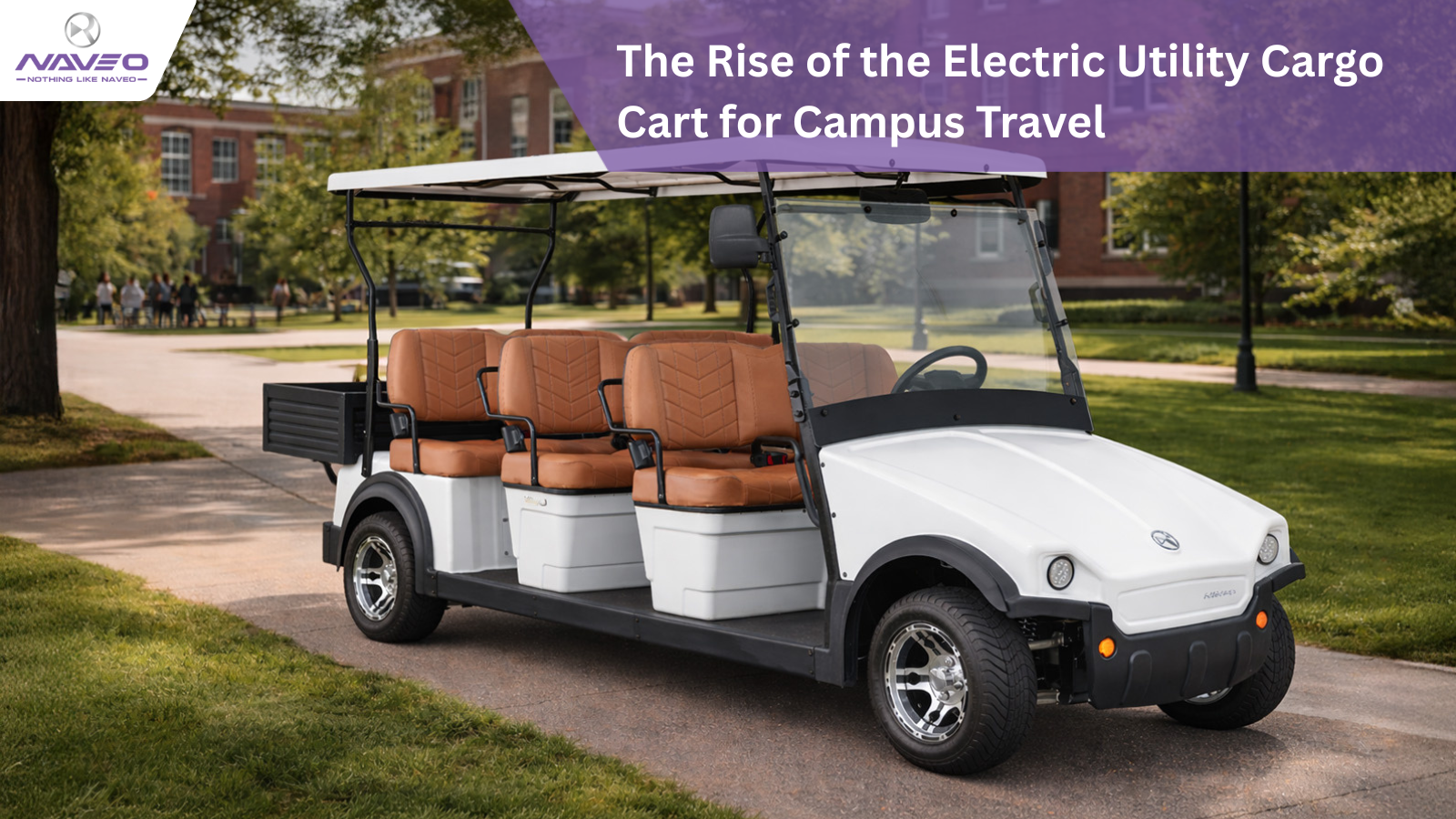
This shift has improved the adoption of the Electric Utility Cargo Cart as a smarter, cleaner and more efficient alternative to traditional fuel-based vehicles.
Campus Transport Challenges and Electric Mobility
Campuses face a unique transportation challenge. They require frequent short-distance travel, quiet operations and reliable logistics without disrupting academic or work environments. Diesel or petrol vehicles were never designed for this purpose. Rising operational costs, frequent breakdowns and environmental concerns have forced administrators and facility managers to look for better solutions.
Electric mobility, particularly cargo-focused electric vehicles, is emerging as the most practical answer. Designed specifically for internal transport, these vehicles combine efficiency with sustainability, making them ideal for campus use.
1. Rising Fuel and Maintenance Costs
Why this problem exists:
Fuel-based vehicles consume disproportionate amounts of fuel during stop-and-go campus travel. Frequent idling, short trips, and low-speed usage increase wear and tear, leading to higher maintenance costs and unexpected downtime.
EV-focused solution:
Electric cargo vehicles eliminate fuel dependency entirely. With fewer moving parts and no engine-related components, maintenance requirements are significantly reduced. For campuses managing multiple vehicles, this translates into predictable operating costs and long-term savings.
Best practices:
- Track daily usage to assign the right vehicle for the job
- Schedule preventive checks instead of reactive repairs
- Optimize load distribution to avoid overworking a single vehicle
This cost efficiency is a key reason campuses are moving toward solutions offered by a reliable utility cargo cart manufacturer that understands institutional needs.

2. Noise and Pollution Issues on Campuses
Why this problem exists:
Campuses demand quiet zones near classrooms, libraries, hostels, and hospitals. Fuel vehicles create engine noise, vibrations, and exhaust fumes that disrupt learning and working environments. These complaints often come from students, staff, and even accreditation bodies.
EV-focused solution:
Electric cargo vehicles operate with near-zero noise and produce no tailpipe emissions. They can function throughout the day without disturbing campus activities, making them ideal for sensitive environments.
Best practices:
- Deploy electric vehicles for early-morning and late-evening operations
- Use designated low-speed routes to maximize safety
- Educate drivers on smooth acceleration to maintain silent operation
This is why many institutions now prioritize an electric cargo cart for campus mobility upgrades.
3. Inefficient Material Movement
Why this problem exists:
Manual carts are slow and labor-intensive, while fuel vehicles are often oversized for narrow campus roads, causing delays in housekeeping, maintenance, landscaping, and logistics operations.
EV-focused solution:
Electric cargo carts are compact, maneuverable, and designed specifically for internal road networks. With customizable load beds and easy handling, they improve turnaround times and reduce dependence on manual labor.
Best practices:
- Assign vehicles based on zone-specific requirements
- Plan fixed routes for daily material movement
- Match payload capacity with actual operational needs
Choosing the right Electric Utility Cargo Cart ensures that campus logistics remain efficient without unnecessary complexity.
4. Growing Sustainability and Compliance Pressures
Why this problem exists:
Universities and industrial campuses are under increasing pressure to meet green campus certifications, and sustainability benchmarks. Fuel-based vehicles directly conflict with these objectives.
EV-focused solution:
Electric cargo vehicles help institutions reduce their carbon footprint while visibly demonstrating commitment to sustainability. They align with environmental audits, green rankings, and long-term climate goals.
Best practices:
- Include EV adoption in sustainability reporting
- Track emission reductions for compliance documentation
- Use electric vehicles as part of campus awareness initiatives
Partnering with a trusted battery operated cargo vehicle manufacturer enables campuses to meet sustainability goals without operational compromise.
5. Safety Limitations of Traditional Vehicles
Why this problem exists:
Fuel vehicles are often too powerful for internal roads, increasing the risk of accidents in pedestrian-heavy areas. Higher speeds with any mechanical failures make them unsuitable for campus environments.
EV-focused solution:
Electric cargo carts are designed for controlled, low-speed operation. Enhanced visibility, easy braking, and stable handling make them safer for both operators and pedestrians.
Best practices:
- Implement speed restrictions within campus zones
- Train operators on pedestrian-first driving
- Schedule regular safety inspections
Electric Utility Cargo Cart vs Fuel-Based Utility Vehicle
The table below highlights why campuses are rapidly shifting from fuel-based utility vehicles to
electric alternatives for daily operations.
| Feature | Fuel-Based Utility Vehicle | Electric Utility Cargo Cart |
|---|---|---|
| Cost | High (fuel + maintenance) | Low |
| Noise | Loud engine noise | Silent |
| Emissions | High carbon emissions | Zero tailpipe emissions |
| Maintenance | Frequent servicing required | Minimal |
| Campus Use | Limited | Ideal |
| Ideal Use Case | Outdoor or heavy-duty transport | Campuses, hospitals, IT parks |
This comparison clearly shows how electric utility vehicles deliver long-term cost savings, quieter performance and sustainable mobility for campuses.
Who Benefits Most From Electric Utility Cargo Carts?
Electric utility cargo carts are ideal for campuses and facilities that require quiet, cost-efficient, and sustainable material movement across large, pedestrian-friendly environments.
- Universities and educational institutions managing large student populations
- Facility managers overseeing daily logistics and maintenance
- Industrial park operators handling internal material movement
- Healthcare campuses requiring silent, emission-free transport
Each of these sectors benefits from partnering with a dependable battery operated cargo vehicle manufacturer that understands operational realities.
Why is Roots EV the Right Choice?
Roots EV, based in Coimbatore, Tamil Nadu, designs electric cargo solutions specifically for institutional and campus environments. Their focus on durability, efficiency, and practical design makes them a preferred utility cargo cart manufacturer for campuses looking to future-proof their operations.
With purpose-built models and local manufacturing expertise, Roots EV also stands out as a trusted battery operated cargo vehicle manufacturer supporting India’s electric mobility movement.
Conclusion
Electric campus mobility is no longer about experimentation, it is about responsibility, efficiency, and long-term value. By choosing the right Electric Utility Cargo Cart, campuses can reduce costs, improve safety, and meet sustainability goals simultaneously.
Institutions planning upgrades should evaluate partners who specialize in electric cargo carts for campus environments rather than adapting generic vehicles.
Ready to Upgrade Your Campus Mobility?
Connect with Roots EV to know how the right Electric Utility Cargo Cart can transform your campus operations sustainably.
Frequently Asked Questions (FAQs)
1. What is an electric utility cargo cart used for on campuses?
It is used for transporting materials, equipment, housekeeping supplies, and maintenance tools efficiently within campus premises.
2. Why are campuses replacing fuel vehicles with electric cargo carts?
Electric carts reduce fuel costs, maintenance expenses, noise, and emissions while supporting sustainability goals.
3. Are electric utility cargo carts suitable for daily heavy usage?
Yes, they are designed for frequent short trips, consistent loads, and reliable performance in campus environments.
4. How easy is it to charge an electric cargo cart on campus?
Most models can be charged using standard electrical points, making charging simple and infrastructure-friendly.
5. What factors should campuses consider before purchasing an electric cargo cart?
Payload capacity, range, charging time, service support, and suitability for campus routes are key considerations.