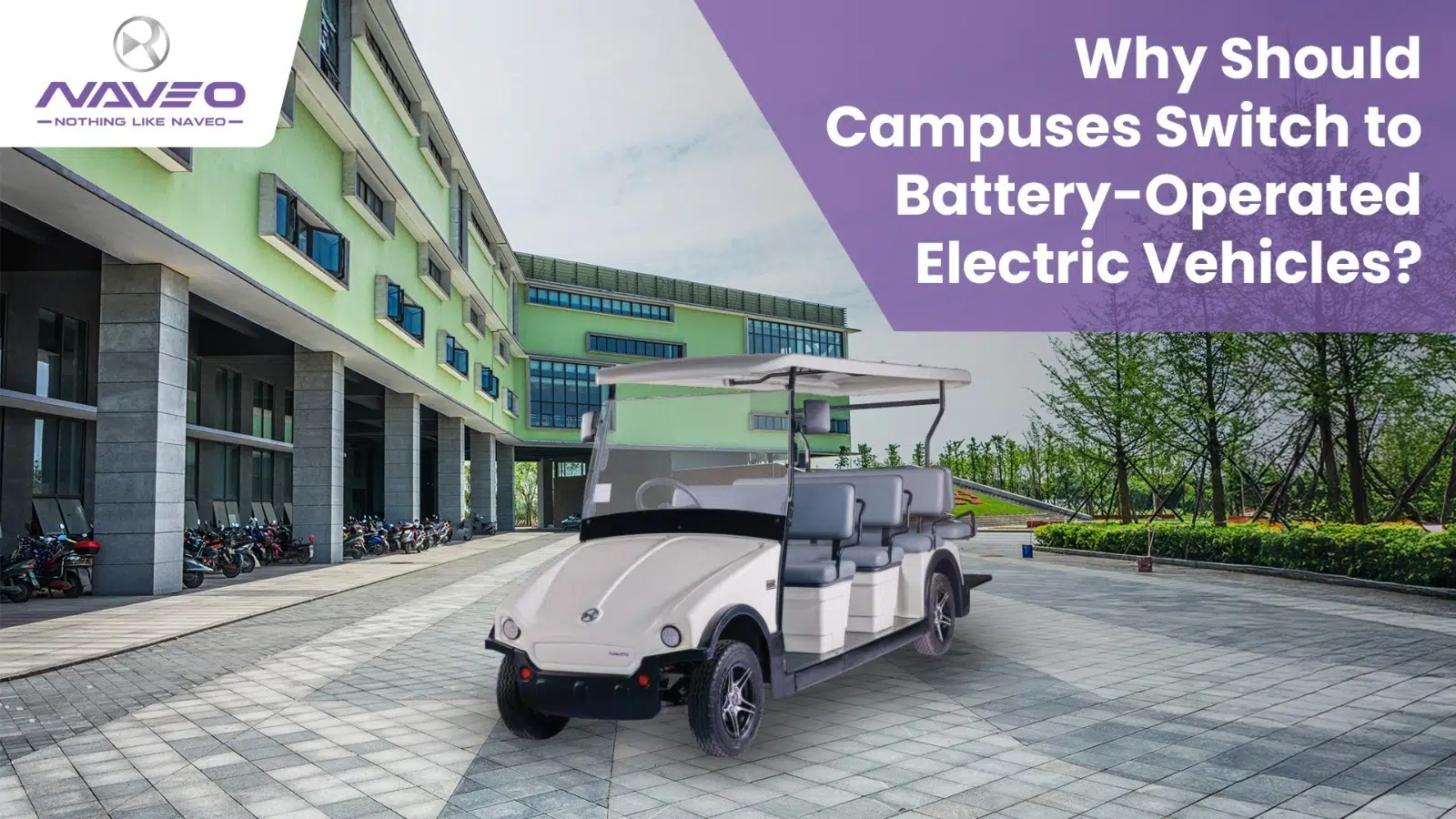
Imagine a university campus or research park. Students are walking between classes, and visitors are exploring. Suddenly, a quiet, sleek vehicle glides past; no smoke, no noise, just smooth movement. This is not a distant vision; it is a transformation already taking forward-thinking campuses worldwide.
Campuses, whether educational institutions, research centers, hospitals, or business parks, are like small cities. Efficient mobility is vital for their smooth functioning. And with sustainability goals gaining importance, battery operated electric vehicles (BEVs) are emerging as the smarter, greener, and more cost-effective solution.
But why should campuses make this switch? Let’s explore.
Why Electric Mobility Matters for Campuses
Every campus, whether it is a university, corporate facility, hospital, or resort, shares a common challenge: moving people and goods efficiently without harming the environment or inflating costs.
Traditionally, this has meant using petrol/diesel vans, auto-rickshaws, or shuttle buses. But these vehicles come with their share of problems: rising fuel prices, high maintenance costs, emissions, and noise.
An electric shuttle for universities solves all of these challenges. Here is why campuses should consider making the switch:

1. A Cleaner, Healthier Campus Environment
The first and foremost reason to adopt battery-operated electric vehicles is the environmental benefit. Traditional fuel-driven vehicles release carbon emissions, contributing to poor air quality and climate change.
On the other hand, BEVs produce zero tailpipe emissions, making them an eco-friendly alternative.
- Improved air quality: With students and staff spending long hours on campus, reducing air pollution helps create a healthier environment.
- Lower noise pollution: Electric vehicles run almost silently, ensuring peaceful surroundings. Instead of engine roars, the campus atmosphere remains calm and conducive to learning or healing (in hospitals).
- Support for green initiatives: Many campuses have sustainability policies and carbon neutrality goals. Switching to BEVs aligns perfectly with these objectives, strengthening an institution’s reputation as an eco-conscious leader.
By reducing both noise and air pollution, electric shuttle for universities directly contribute to student well-being and a healthier campus lifestyle.
2. Financial Advantages: Long-Term Cost Savings
While the initial investment in battery-operated campus vehicles might seem higher compared to conventional vehicles, the lifetime cost of ownership is significantly lower.
- Lower running costs: Charging a campus electric mobility solution costs a fraction of what petrol or diesel refueling does.
- Minimal maintenance: Electric drivetrains have fewer moving parts, meaning fewer breakdowns, no oil changes, and lower servicing requirements.
- Durability and reliability: Electric golf carts for campuses are engineered for frequent short trips; exactly the kind of travel campuses require.
Over time, the financial savings can be redirected to student facilities, infrastructure upgrades, or sustainability programs, making campus electric mobility solutions not just an eco-friendly choice but also a financially smart one.
3. Safe and Comfortable Transportation
Campuses are unique environments where safety and accessibility are top priorities. Electric shuttle for universities are designed with these needs in mind:
- Speed limits suited for campuses: Most campus-friendly EVs operate at speeds of 20–25 km/h, ensuring safe navigation around pedestrians and cyclists.
- Ergonomic and inclusive designs: Comfortable seating, wide entry points, and easy handling make them suitable for students, faculty, guests, and even individuals with limited mobility.
- Modern safety features: Advanced braking systems, suspension technologies, and energy-efficient lighting ensure both driver and passenger safety.
For large campuses, the campus electric mobility solutions not only reduce accidents but also provide a more pleasant commuting experience, whether for a student rushing to class, a professor moving between departments, or visitors touring the facilities.
4. Versatility and Operational Flexibility
One of the biggest strengths of battery-operated electric vehicles is their wide variety of models and configurations, making them adaptable to the unique needs of each campus:
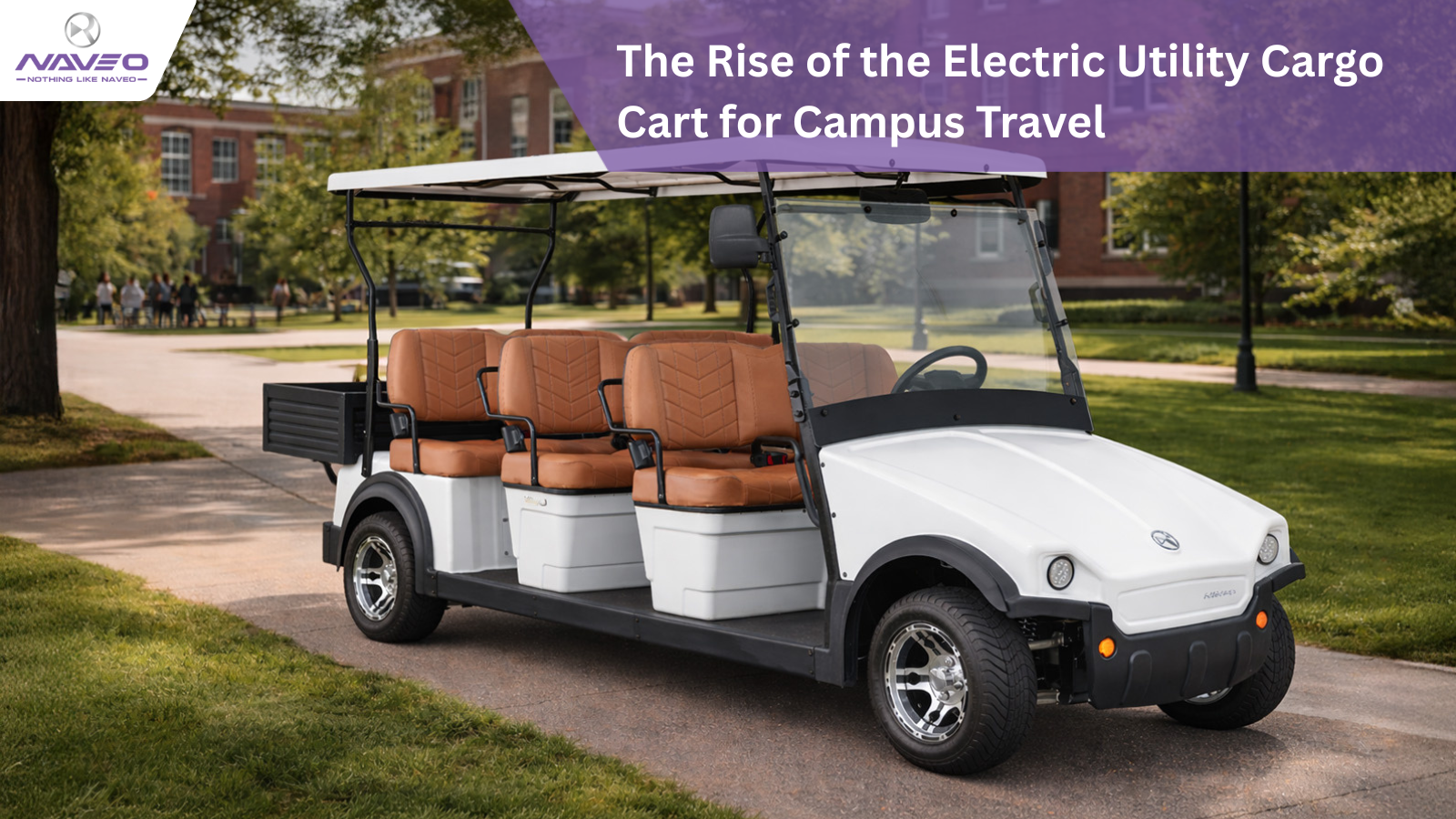
- Passenger carts: Ideal for transporting groups of students, faculty, or visitors across campus grounds.
- Cargo carriers: Perfect for moving supplies, food, maintenance tools, or equipment between departments.
- Hybrid passenger + cargo vehicles: Offering flexible seating and storage space for multi-purpose usage.
- Special-purpose vehicles: Hospitals and research centers can use customized BEVs for patient transfers or transporting sensitive equipment.
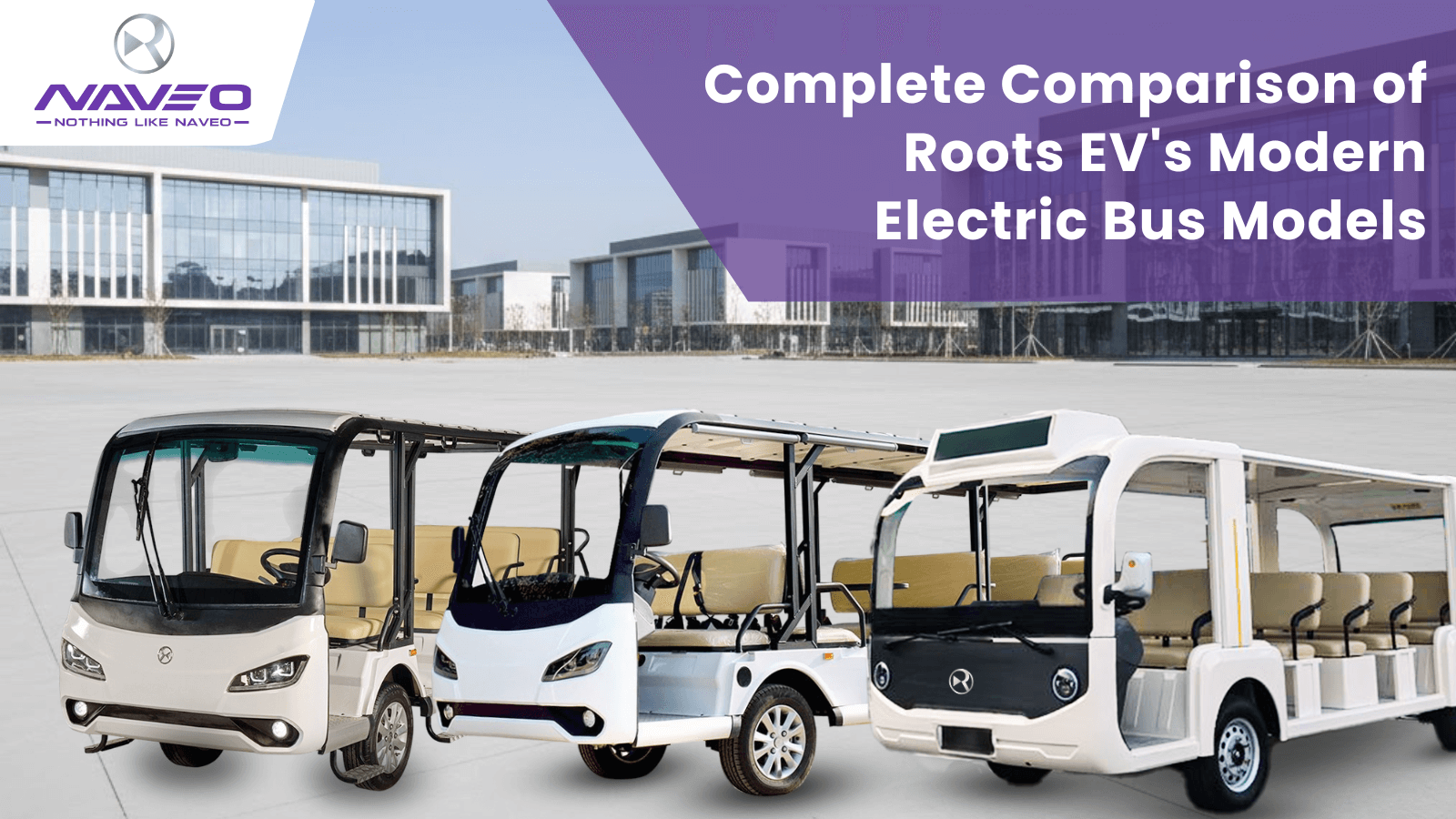
- Electric buses: Larger campuses can deploy mini electric buses for scheduled shuttle services.
This versatility means that whether the need is for quick student movement, material handling, or hospitality purposes, battery-operated Electric Vehicles can be configured to fit; henceforth, they are referred to as green transport for institutions.
5. Local Manufacturing and Easy Support
Another practical advantage of battery-operated electric vehicles is their availability from local manufacturers who understand regional needs. This ensures:
- Faster service and maintenance support
- Customization options tailored to specific campus requirements
- Easy availability of spare parts and accessories
- Lower logistics costs for delivery and upkeep
When campuses partner with a local or domestic EV manufacturer, they not only enjoy better after-sales service but also support the wider goal of strengthening local industries.
Battery Operated Electric Vehicles vs. Conventional Vehicles on Campuses
| Factor | Battery Operated Electric Vehicles (BEVs) | Conventional Fuel Vehicles |
|---|---|---|
| Environmental Impact | Zero tailpipe emissions, eco-friendly, supports green campus initiatives | Emits CO₂ and harmful gases, pollutes the air, and contributes to climate change |
| Noise Levels | Almost silent, it creates peaceful and student-friendly environments | High noise pollution disrupts learning and campus atmosphere |
| Operating Cost | Low running cost (electricity is cheaper than petrol/diesel) | High fuel costs with frequent price fluctuations |
| Maintenance | Minimal maintenance (fewer moving parts, no oil changes) | Frequent servicing, engine maintenance, and higher downtime |
| Campus Safety | Speeds capped at ~20–25 km/h, safe for pedestrian zones | Higher speed and accident risks within campus roads |
| Flexibility | Available in multiple models (passenger carts, cargo, buses, special-purpose) | Limited designs suitable for campus operations |
Time to Go Electric!
The future of campus mobility is electric. With cleaner air, quieter surroundings, safer transport, and significant long-term savings, battery-operated vehicles tick every box for a modern, sustainable campus. Whether you manage a university, a hospital, a corporate park, or a resort, adopting battery-operated Golf Carts as green transport for institutions is no longer an option; it is an essential step toward future readiness.
If you are ready to make this change, start by exploring options from reliable, proven manufacturers of electric golf carts for sale who specialize in electric campus vehicles. Test drive, evaluate different models, and see how seamlessly they can integrate into your operations.
Conclusion: Partnering with the Right Manufacturer
Switching to battery-operated electric vehicles is more than just upgrading transport; it is about building a sustainable future for your campus community. To ensure success, you need a trusted partner who understands both technology and campus needs.
That is where Roots EV, a leading Electric Vehicle manufacturer based in Coimbatore, Tamil Nadu, stands out. With decades of expertise, advanced R&D, and a wide range of electric passenger, cargo, and special-purpose vehicles, Roots EV is uniquely positioned to help campuses embrace sustainable mobility.
Make the switch today and transform your campus into a cleaner, greener, and smarter space for the future.