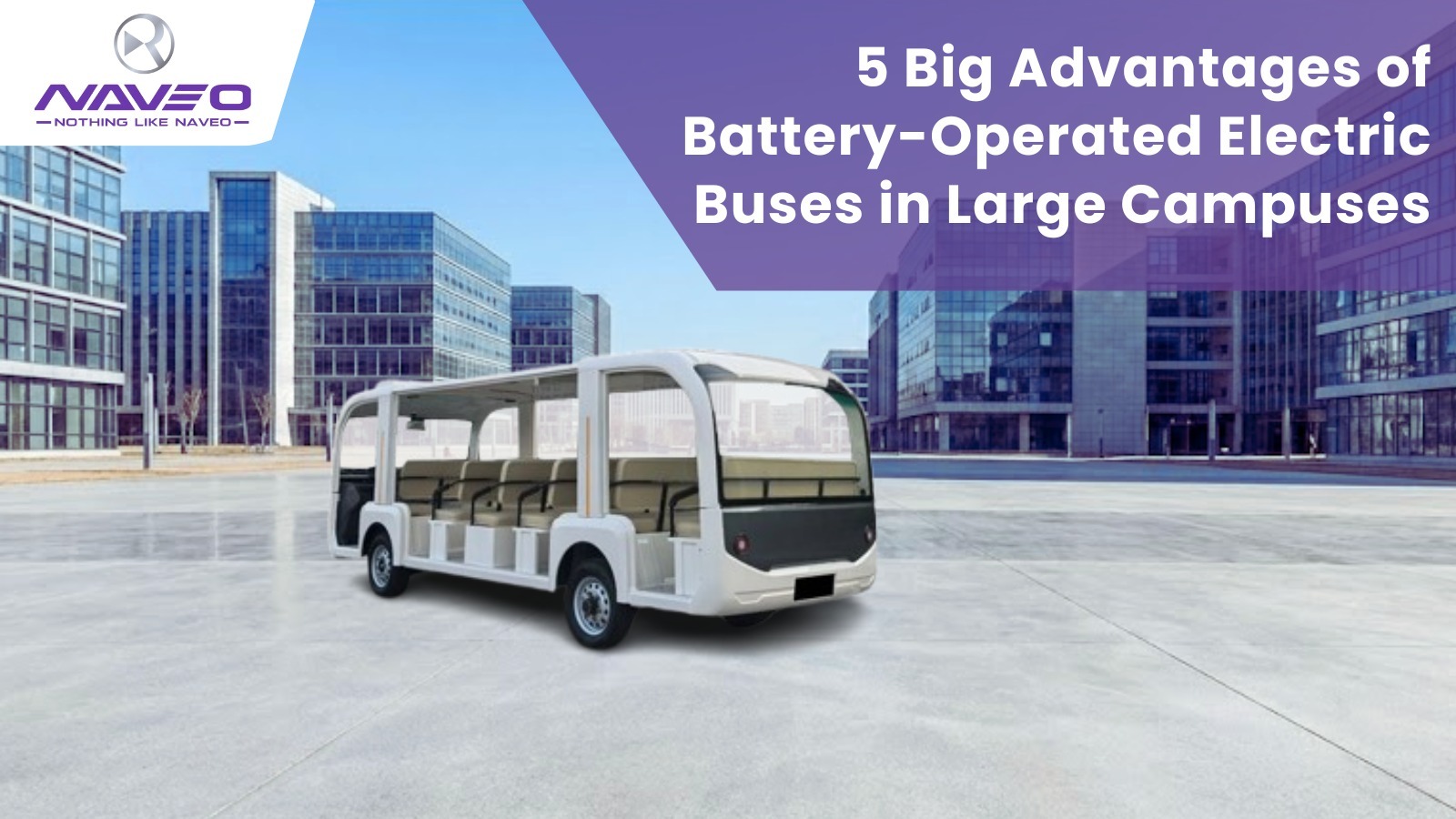
For large campuses – whether educational institutions, corporate parks, hospitals, residential townships or industrial zones – efficient internal transport is a big challenge. Traditional diesel or petrol-powered shuttles often bring noise, pollution and high operating costs. That’s where a battery operated electric bus offers a compelling alternative.
At Roots EV, based in Coimbatore, Tamil Nadu, we design and supply electric mobility solutions for campuses and commercial clients across India. In this article, we examine five major advantages of adopting battery operated electric vehicles for campuses, explaining why more organizations are partnering with a reliable electric bus manufacturer to upgrade their fleet.
What are the key benefits of using an electric bus for campus transport?
1. Zero-Emission Transport and Cleaner Campus Air
One of the biggest advantages of a zero-emission electric bus is its environmental benefit. Electric buses emit no tailpipe pollutants — unlike diesel or petrol buses that release particulate matter (PM), nitrogen oxides (NOx), CO₂ and other harmful gases.
Reduced pollution means better air quality within the campus — improving health, reducing respiratory risks for students, staff and residents and aligning with sustainability goals and ESG commitments. For campuses in urban or semi-urban areas, this benefit can be transformative.
Given increasing regulatory and social pressure for clean transport, adopting a battery operated bus from a trusted electric bus manufacturer sends a strong message about environmental responsibility.

2. Lower Operating Costs and Long-Term Economic Viability
While initial investment for an electric bus may be higher, long-term savings are substantial. Operating costs drop significantly because electricity (especially if recharged off-peak or via renewables) is generally cheaper than diesel or petrol per km. Maintenance is also simpler — electric buses have fewer moving parts compared to internal-combustion engine vehicles.
Studies in India have shown that electric buses can yield higher profits or cost-savings over their lifespan compared to diesel buses — due to lower fuel + maintenance costs and longer service life.
For campuses with regular shuttle routes — between hostels and academic blocks, parking and office zones, or spread-out facilities — this long-term cost effectiveness makes electric buses a financially sound investment.
3. Quiet, Comfortable & Campus-Friendly Operation
Noise pollution is often overlooked in campus transport planning — but diesel buses are noisy, create vibrations and can disrupt academic, hospital or residential environments. Electric buses run quietly, reducing noise and improving comfort for passengers and bystanders.
Moreover, smooth acceleration and regenerative braking provide a comfortable, stable ride — ideal for passengers, especially in sensitive environments like hospitals, schools or corporate campuses.
For institutions seeking a premium, peaceful internal transport experience, a battery operated electric bus fits perfectly.
4. Operational Efficiency, Flexibility & Suitable for Campus Routes
Large campuses typically have many short, repeated routes — between hostels and dining halls, labs and staff quarters, parking lots and offices. For such use cases, electric buses excel. Their energy efficiency is especially high at low to moderate speeds, common in campus loops.
Since they don’t idle or waste fuel while stationary (as diesel engines do), electric buses are more efficient for frequent stop-start use.
Also, with fewer mechanical components and simpler systems, maintenance scheduling is easier — reducing downtime and ensuring reliability. For campuses where transport is critical — e.g. shift workers, hospital staff, students — this reliability is a major plus.
5. Enhanced Image, Sustainability Credentials & Future-Readiness
Deploying battery operated electric vehicles for campuses signals commitment to sustainability, corporate social responsibility and green mobility. For educational institutions, hospitals, industrial parks and residential townships — this can strengthen brand image, satisfy stakeholders and align with evolving environmental regulations.
By working with a credible electric bus manufacturer with PAN India supply capability — such as Roots EV in Coimbatore — campuses ensure long-term backing for maintenance, scalability and adaptation. As power grids get greener and renewable energy adoption increases, the environmental advantages of electric buses will keep improving.
In the long run, switching to electric buses supports future-proofing transport infrastructure and demonstrating leadership in sustainable mobility.
How to ensure you get the most from a campus electric bus deployment?
When considering a switch to electric campus mini bus or full-sized electric shuttle, evaluate the following:
- Battery quality and charging infrastructure: Ensure the bus uses efficient battery systems suited for daily campus routes — with adequate range, fast or scheduled charging, and proper battery maintenance support.
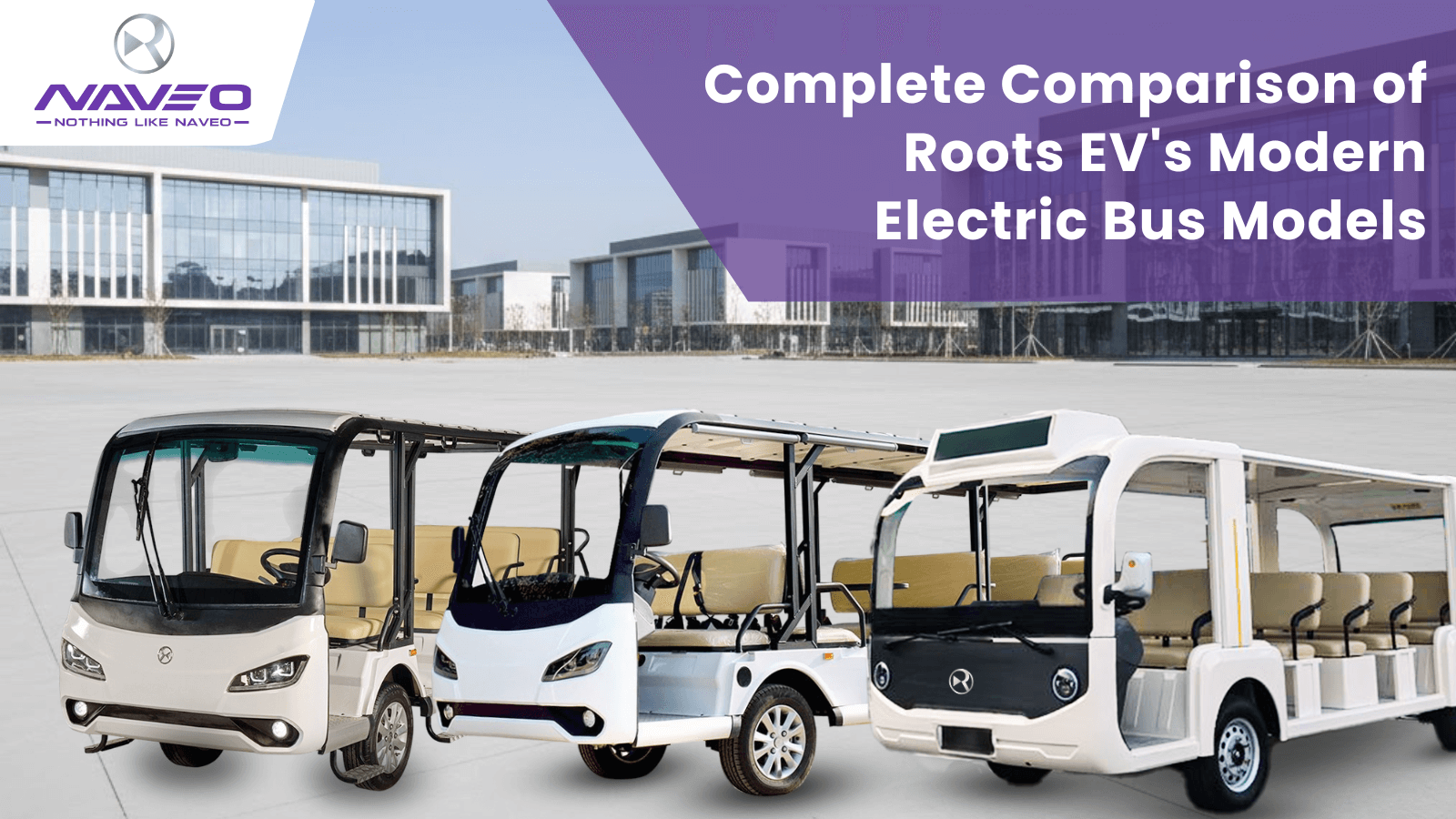
- Right-sizing and capacity: For campuses with smaller or moderate passenger flows, a compact bus may suffice. Tailor bus size to usage patterns to ensure cost-effectiveness.
- Maintenance & service support: Opt for suppliers or manufacturers who provide robust after-sales support, spare parts and maintenance — especially critical if your campus is outside major metro areas.
- Route planning and energy management: Use efficient scheduling, avoid overloading and consider powering charging with renewable energy (solar, if possible) to maximize environmental gains.
- Regulatory compliance and safety features: Ensure the bus meets safety and regulatory norms — proper braking, chassis quality, safe ingress/egress and comfortable passenger amenities.
At Roots EV, we take care of all these aspects — offering reliable battery operated buses, nationwide delivery and support and solutions tailored for campus mobility in India.
Conclusion
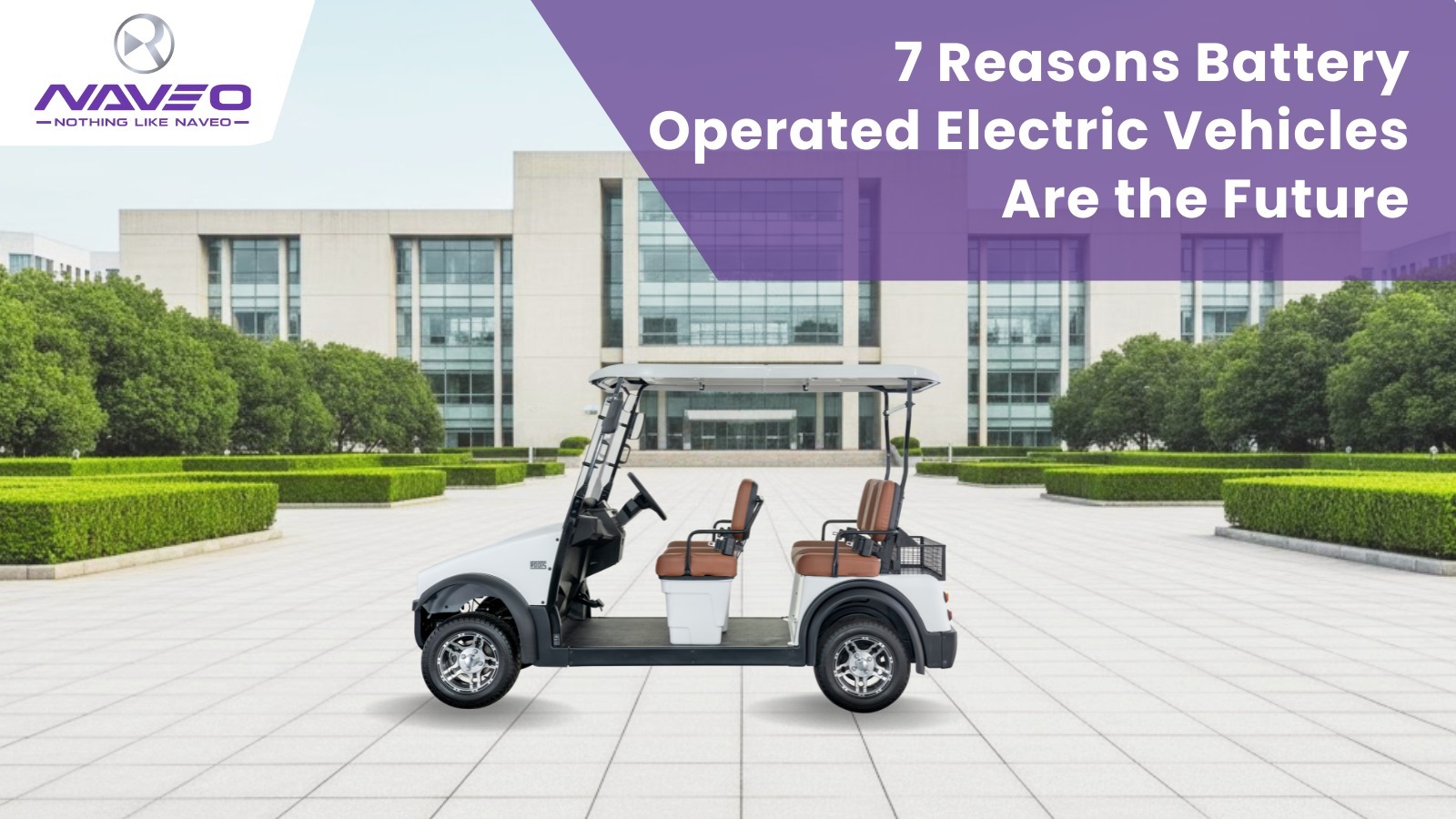
For large campuses across India — educational institutions, corporate parks, hospitals, residential townships — shifting to battery operated electric buses offers tangible benefits: lower operational cost, cleaner air, quieter transport, improved passenger comfort and strong sustainability credentials.
If you’re planning to upgrade your internal transport infrastructure, reduce carbon footprint or simply deliver smoother, more efficient shuttle services, choosing the right electric bus manufacturer is key.
At Roots EV, with our base in Coimbatore, Tamil Nadu and PAN India supply coverage, we offer customized, reliable and efficient battery operated electric vehicles for campuses. Contact us today to explore how we can support your sustainable mobility needs — from campus mini buses to full-fledged electric shuttle fleets.
Ready to make your campus greener and more efficient? Reach out to Roots EV now.
Frequently Asked Questions (FAQs)
1: Why should a large campus choose a battery operated electric bus over a diesel shuttle?
Because electric buses offer zero tailpipe emissions — improving air quality — and significantly lower operating and maintenance costs over time, while delivering quiet, smooth rides ideal for campus environments.
2: Are electric buses cost-effective in the long run despite higher upfront cost?
Yes. Lower energy cost (electricity vs diesel), fewer mechanical parts, and reduced maintenance make electric buses more economical over their lifecycle, often delivering better returns over diesel buses.
3: Can electric buses handle frequent short-route campus shuttle services efficiently?
Absolutely. Electric buses are especially efficient for repeated short trips, with regenerative braking and high energy efficiency at low speeds — ideal for intra-campus loops, staff and student transit, and similar use cases.
4: What makes a good electric bus manufacturer for campuses in India?
A reliable manufacturer should deliver quality battery-operated buses, provide strong after-sales support and spares availability, offer PAN India supply and service reach, and ensure compliance with safety and performance standards.
5: Does switching to electric buses help a campus meet sustainability or ESG goals?
Yes. Electric buses with zero emissions, lower noise, and efficient energy use demonstrate commitment to sustainability, reduce carbon footprint, and support clean mobility — aligning with ESG and green transport goals.